
Ongoing local and national news about battery fires has introduced readers to the term “thermal runaway.” It is important to establish that thermal runaway as a cause of serious battery events has been a consistent topic and concern for mission-critical battery system planners and operators for many years. BTECH has spent more than 35 years refining its patented impedance technology to deliver early detection and multi-layer protection against thermal runaway, helping data centers and utilities reduce risk, maintain uptime, and protect high-value assets. Thermal runaway in Valve Regulated Lead Acid (VRLA) batteries can be detected by measurable indicators that exhibit clear trends, providing ample time to take corrective action. Power isolation (opening the circuit breaker) remains an effective option in situations where thermal runaway has begun because corrective action has not been taken.
The reader should note that detection and corrective action timeframes for Lithium batteries are typically short by comparison with VRLA batteries. Lithium battery technologies include proprietary battery management systems integrated into the battery system. And while Lithium-ion batteries exhibit improved energy density, they do remain susceptible to thermal runaway. Power isolation may prove ineffective once a lithium battery thermal runaway condition begins, as it is difficult to contain and stop once underway.
The primary focus of this paper is to identify the origins and causes of thermal runaway in VRLA batteries. It aims to educate and raise awareness among existing and prospective users of battery monitoring systems, and to emphasize the importance of predictive monitoring to enhance visibility into internal battery conditions. Our goal is to empower operators—not just to observe their systems, but to understand them, anticipate risks, and act with confidence.
Introduction
This paper examines the various causes of thermal runaway in VRLA batteries and highlights the key data points necessary for the critical analysis of battery systems at both the plant level and down to individual battery blocks/cells.
Additionally, this paper not only defines best-in-class monitoring technologies capable of detecting the earliest indications of developing thermal runaway conditions but also identifies the earliest actionable evidence that needs to be captured and communicated to owner/operators. By establishing clear thresholds and data signals, we aim to enhance predictive capabilities and enable timely intervention before thermal runaway escalates into a critical event.
The volume of battery data collected from hundreds, and in some cases thousands, of individual cells or monoblocs can be overwhelming without an efficient system for collection, storage, and management. This data is indispensable for building a robust database of battery measurements that supports meaningful trend analysis and predictive insights. When a database is properly structured, it empowers operators to shift from reactive to proactive battery management, improving reliability, safety, and performance. It also serves as a ‘warranty historian,’ meticulously documenting manufacturer requirements to support warranty compliance validation.
The advantages of digital battery data are well established. Battery monitoring systems provide a consistent, long-term archive that supports asset management and system optimization. These systems also deliver real-time insights into battery state of health to ensure that each unit is operating within its designated float voltage window, maintaining proper resting temperature, and remaining available for discharge when needed.
This paper utilizes industry standards and codes relevant to thermal runaway, identifies root-cause conditions that can trigger such events, and examines the specific data outputs that battery monitors should provide to enable operators to take action to mitigate risk.
Additionally, we address common misconceptions surrounding thermal runaway, clarifying its mechanisms and highlighting the importance of initiative-taking, monitoring, and data-driven decision-making.
Introduction to Important Battery Factors
VRLA batteries remain the most widely used large-capacity rechargeable batteries in industrial and utility-scale applications. Their popularity stems from a proven record of reliability, simplicity, and cost-effectiveness, particularly when evaluated on a cost-per-watt basis. Few alternative chemistries can match the affordability and bulk power delivery of lead-acid technology, making it the preferred choice for electrochemical energy storage systems (ESS) deployed in switchgear, backup generators, uninterruptible power supplies (UPS), and industrial applications.
Lead-acid batteries are composed of multiple individual cells; each containing alternating layers of pure lead or lead alloy plates immersed in an electrolyte solution—typically a mixture of 35% sulfuric acid (H₂SO₄) and 65% water. Common additive alloys include antimony (Sb), calcium (Ca), tin (Sn), and selenium (Se), each contributing specific benefits such as reduced corrosion, improved charge acceptance, and enhanced cycle life. When sulfuric acid interacts with the lead plates, a controlled electrochemical reaction occurs, generating electrical energy through the conversion of chemical energy.
Achieving precise chemical composition and additive ratios during battery manufacturing is a complex and delicate process. Even minor deviations between cells, either in alloy concentration, plate thickness, or electrolyte purity, will lead to subtle differences in performance and degradation rates over time. While small inconsistencies may result in slightly varied rates of normal deterioration, more significant variations can accelerate aging, increase internal resistance, and elevate the risk of failure. These disparities underscore the importance of granular cell-level monitoring to detect early signs of imbalance and prevent conditions that may contribute to thermal runaway.
Absorbed Glass Mat (AGM) or Gel electrolyte VRLA batteries are widely used in electrochemical Energy Storage Systems (ESS) due to their small size, sealed design, and reduced maintenance requirements. These batteries rely on oxygen recombination during charging, where oxygen generated at the positive plates migrates to the negative plates and recombines with hydrogen to form water. This internal process, maintained at approximately 1.5 psi (=0.1 bar), drastically reduces water loss and supports the sealed nature of VRLA cells.
VRLA battery deterioration can reach a point under constant voltage charging conditions, where they exhibit a dangerous phenomenon known as thermal runaway. Typically charging current decreases and stabilizes as the battery approaches full charge. In cases where the charge current does not stabilize, the current may spike unexpectedly, generating excess heat and accelerating internal temperature rise. This triggers an autocatalytic reaction: elevated temperatures reduce the over-potential for gas evolution, prompting further current increase and compounding heat generation. Without intervention, this self-reinforcing cycle can rapidly escalate into catastrophic battery failure.
Understanding this mechanism is critical for ESS operators tasked with maintaining system reliability and safety. It also highlights the urgent need for real-time predictive monitoring solutions that can not only detect early warning signs but also provide ongoing alert and alarm messaging to give owners/operators the vital time needed to prevent thermal events before they unfold.
Risk Factors and Failure Mechanisms in VRLA Batteries
Overcharging:
During charging, VRLA batteries generate internal heat from current flow through resistive components. However, most of the heat is produced by an exothermic reaction at the negative plate, where oxygen from the positive plate reacts with lead and sulfuric acid to produce lead sulfate and water. Approximately 90% of the float charge current contributes to this reaction under steady-state conditions. Overcharging causes battery dry-out, accelerated aging, increased gas emissions, and reduced reliable service life.
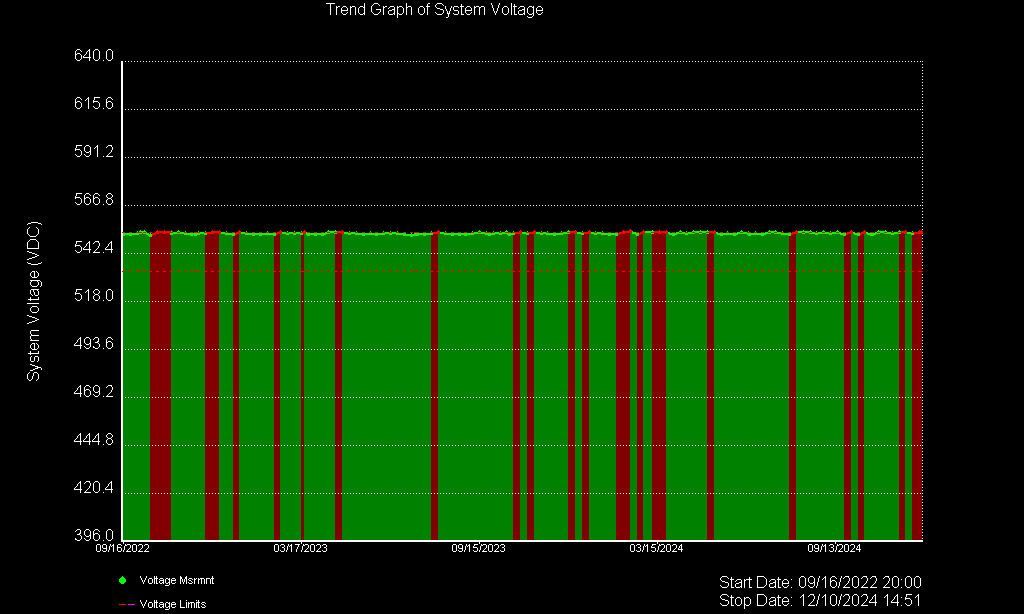
Figure 1: System Voltage occasionally over-charging
IEEE 1188 Annex B – It is not unusual to observe a wider float voltage range between valve-regulated cells than what is normal for vented-type cells. This is especially true for the first six months after installation. Equalization is not normally used to correct apparent imbalances.
High-voltage cells: Individual cells may exhibit a high voltage shortly after installation and should fall in line with the others as they lose excess water and approach a fully recombinant state. Prolonged operation above the cell’s high-voltage limit specified by the battery manufacturer has a detrimental effect. (e.g., accelerated dry out).
Undercharging:
VRLA cells are sensitive to improper float voltage or current settings. When undercharged, sulfate crystals can accumulate on the plates, leading to reduced capacity and conductivity. This condition increases internal resistance, accelerates cell aging, and causes performance imbalances across the battery string.
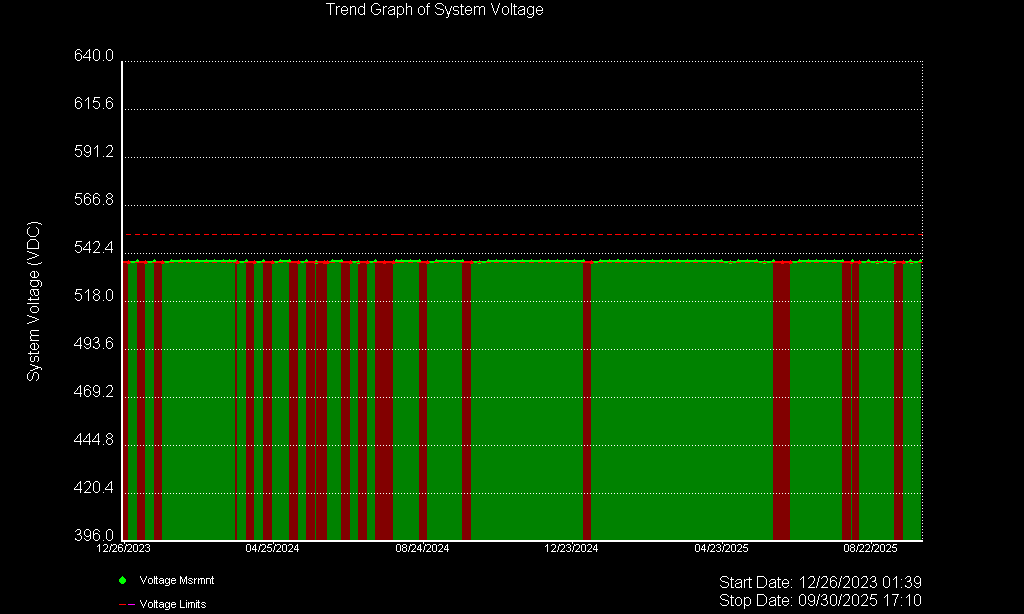
Figure 2: System Voltage occasionally under-charging.
Battery and Ambient Temperature Effects:
External heat undermines a battery’s ability to dissipate internal heat. Higher ambient temperatures will intensify chemical reactions, decrease internal resistance, and increase the float charge current, thereby compounding thermal instability risks. Elevated internal temperatures accelerate electrolysis and reduce over-potential, triggering runaway reactions if unmanaged.
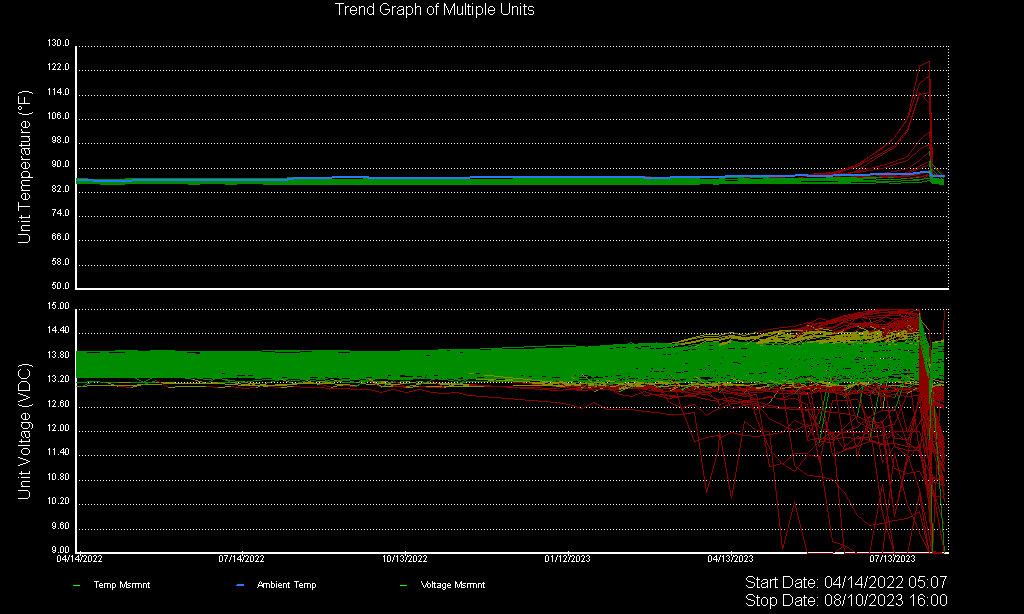
Figure 3: All Unit Temperatures over Unit Voltage Measurements
IEEE 1188 – 5.3.2 (b) when cell temperatures deviate more than 3 degree C from each other during a single inspection, determine cause and correct.
Battery Age and Degradation:
The normal aging that occurs over a battery’s useful life can introduce multiple vulnerabilities: oxide depletion, plate passivation, electrolyte concentration changes, reduced electrolyte saturation, and dry-out. Extended exposure to temperatures 15°F above 75°F will accelerate the normal aging process and reduce a VRLA’s life expectancy by half. These cumulative effects shorten the useful life of VRLA batteries and make them increasingly susceptible to causing a thermal runaway event.
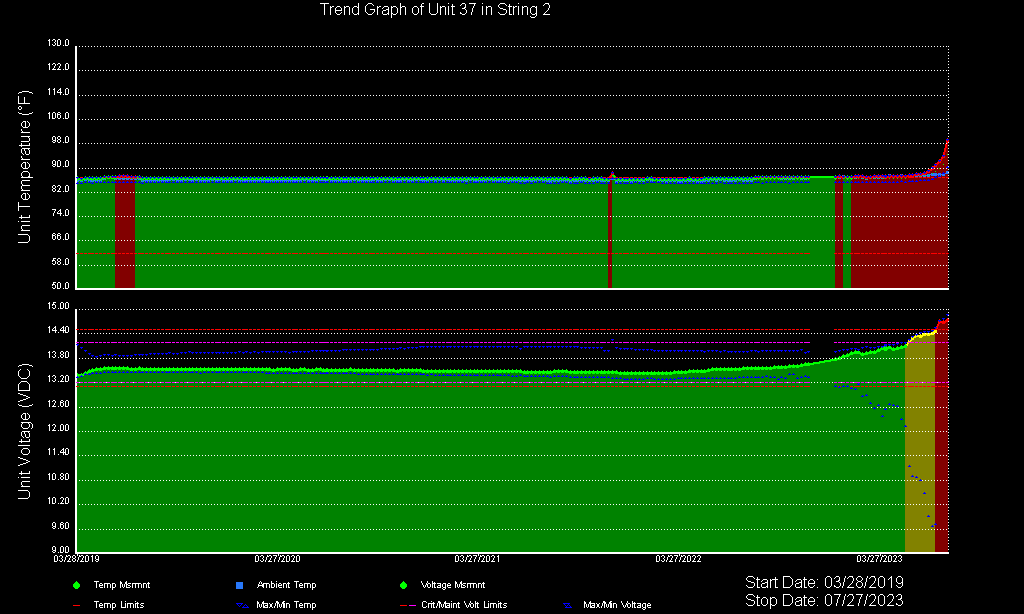
Figure 4: Individual Unit Temperature over Unit Voltage Measurements
Key Insights
Impedance Monitoring:
Ohmic Measurements and Impedance Monitoring:
The IEEE introduced the term Ohmic Measurements to describe techniques used for assessing a battery cell’s internal resistance, defined as the opposition to electrical current caused by both reactance and ohmic resistance.
Internal resistance is characterized by using three key parameters: resistance, conductance, and impedance.
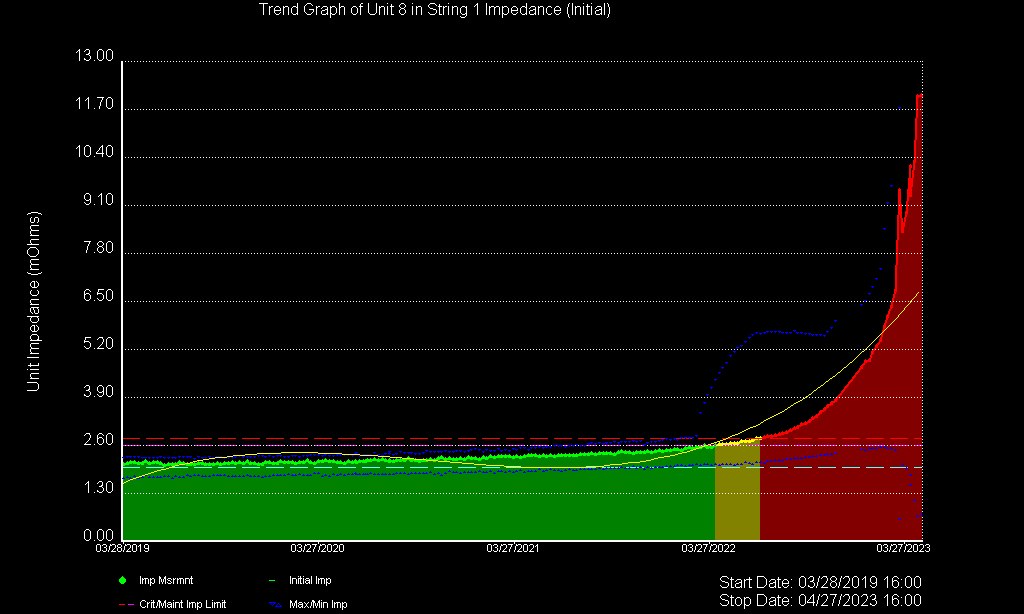
Figure 5: Individual Unit Impedance Measurements exceeding Critical Limits
BTECH pioneered the use of impedance testing to assess the internal State of Health (SOH) of batteries.
Through extensive research, BTECH engineers identified impedance measurements as the most effective method for detecting all major modes of cell failure, including:
- Corrosion
- Dry-out
- Sulfation
BTECH’s advanced technology customizes and scales the impedance test signal to match the specific battery type, delivering consistent, repeatable results—without the need to discharge the battery.

Typical Lead Acid Model
BTECH’s Impedance Method

Other Contributing Factors:
Ground faults and shorted cells distort charge voltage and current. If persistent increases in float current or temperature are observed, the affected string should be isolated for inspection to prevent escalation.
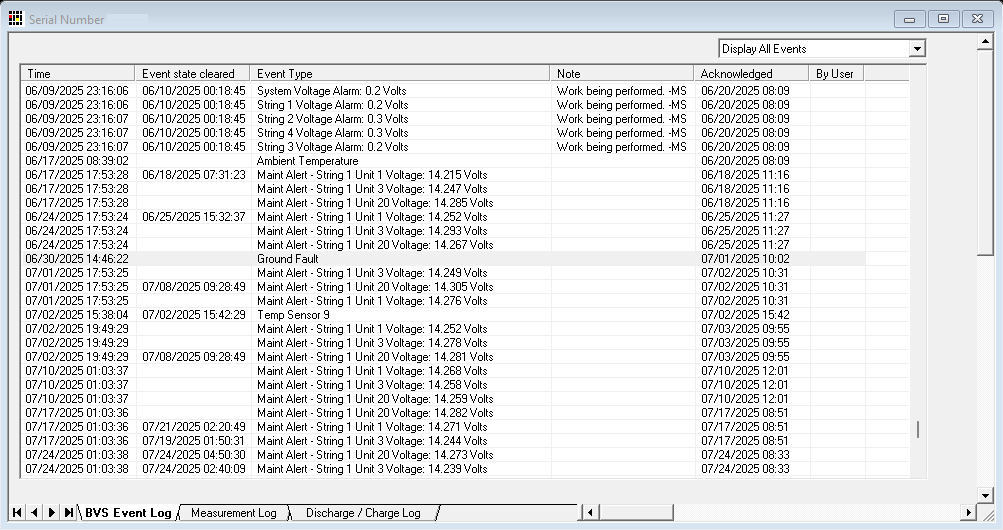
Figure 6: Events and Data Log displaying a Ground Fault Event
If the battery has experienced an abnormal condition (such as severe discharge, overcharge, or extreme high ambient temperature), an inspection should be made to ensure that the battery has not been damaged.
Catastrophic Impact
Excessive internal heating compromises battery integrity:
Case materials soften, disfigure, and lose structural restraint.
Pressure relief valves fail when subjected to elevated internal pressure.
The release of Hydrogen sulfide gas poses severe risks to personnel and nearby electronics, especially those with forced-air cooling systems.
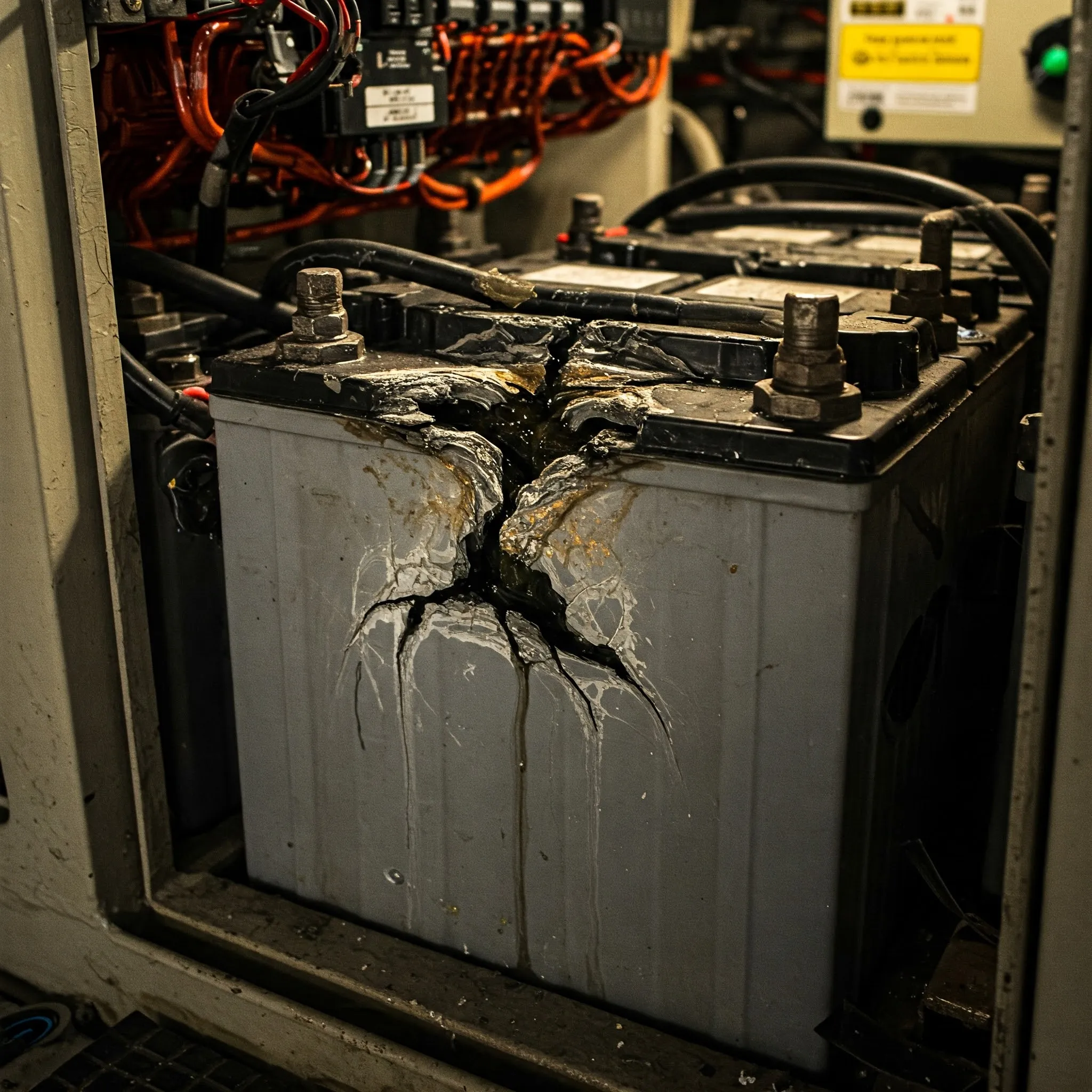
Figure 7: Aftermath of a thermal runaway
Recommended Action if Thermal Runaway is Suspected
If any condition discussed in this paper causes you to suspect that your VRLA battery system is at risk of thermal runaway, we recommend that you immediately contact your battery service provider.
If you do not have a battery service provider, we recommend immediate isolation by opening the battery breakers, either manually or through automated controls. Prompt isolation is the most effective way to mitigate thermal instability in lead-acid VRLA batteries and prevent escalation.
Consequences of Inaction:
Unchecked thermal runaway may lead to:
- Fire or explosion.
- Sudden system failure
- Operational downtime
- Damage to capital assets and surrounding equipment
- Risk of harm to service personnel
Common Misperceptions about VRLA Thermal Runaway
- “It Happens Suddenly Without Warning.”
-
- Reality: Thermal runaway is typically preceded by measurable signs—rising impedance measurements, float current, elevated internal temperatures, and voltage anomalies.
- Why It Matters: Early detection is possible if you monitor for impedance, float current, float voltage, battery temperature, and ambient temperature of each battery string.
- “It’s a Manufacturer Defect.”
-
- Reality: Most incidents stem from user-side issues like shipping or installation damage (Ground faults), commissioning errors, overcharging, undercharging, ventilation, high ambient temperature, or neglecting required maintenance.
- Why It Matters: IEEE 1188 and other standards emphasize user responsibility for monitoring and preventive action.
- “All VRLA Batteries Are Equally Prone.”
-
- Reality: Susceptibility varies by manufacturer’s design, separator type, battery geometry, and installation environment.
- Why It Matters: AGM vs. MAGM separators, for example, show different thermal behaviors under stress.
- “Float Voltage Is Always Safe.”
-
- Reality: Even standard float voltages (e.g., 2.25 V/cell) can trigger runaway if ambient temperature is high or electrolyte saturation is low.
- Why It Matters: Temperature compensation and real-time threshold monitoring are essential.
- “Thermal Runaway Is Irreversible.”
-
- Reality: In some cases, batteries can be recovered if caught early—by restoring electrolyte saturation and correcting negative plate polarization.
- Why It Matters: Recovery methods exist, but timing is critical.
- “Monitoring Cell Voltage Alone Is Enough.”
-
- Reality: Voltage alone does not reveal internal heat buildup or float current anomalies.
- Why It Matters: Per-string current and temperature monitoring provide a more complete picture.
Strategic Takeaways
- Educate owners, operators, and other clients because the above-listed misconceptions could lead to a lack of investment in monitoring protection.
- Ensure planned battery installation space has adequate ventilation, cooling, and thermal dispersion designs. Especially in decentralized or enclosed installations.
- Integrate predictive monitoring. Choose a monitoring system that utilizes analytics to trend impedance measurements, float voltage, ambient temperature, and battery temperatures to flag early-stage runaway (see misconceptions above).
- If you need support to help evaluate and manage battery status, choose a company (preferably ISO 9001 and 27001 certified) that also offers battery monitoring services.
How can you protect your ESS, personnel, assets, and operations uptime from thermal runaway?
Preventive Maintenance Strategy:
- Follow and adhere to IEEE 450 – 2020, IEEE 1188 – 2005 and IEEE – 1491 Standards, Practices and Guidance recommendations.
- Follow and adhere to ASHRAE 1635-2022.
- Implement and actively engage with real-time battery measurements through continuous monitoring of battery voltage, current, impedance, and ambient temperature.
- Analyze historical data trends to learn how to confidently identify battery vulnerabilities early.
What This Means in Practice
- Preclude: System design must minimize the risk of runaway. This includes proper ventilation, temperature compensation, ambient temperature, and float voltage control.
- Detect: Monitoring systems must identify early signs, typically via impedance, float current, temperature rise (battery / ambient), and voltage anomalies.
- Warn: The monitoring system must alert customers/operators of early detection.
- Alarm: The monitoring system must notify customers/operators of pending danger.
- Control: If runaway is detected, systems must automatically disconnect the charger or activate suppression mechanisms to prevent escalation.
Conclusion
As the adoption of electrochemical Energy Storage Systems continues to rise, the risks posed by thermal runaway in VRLA batteries demand a shift from reactive responses to proactive battery-monitoring safeguards. Environmental stressors, aging cells, and hidden faults can silently escalate toward catastrophic failure. In this high-stakes landscape, traditional maintenance cycles alone are no longer sufficient.
BTECH’s predictive battery monitoring solutions empower operators with real-time visibility into the metrics that matter: voltage, impedance, temperature, and float current trends. By continuously analyzing data and detecting anomalies before thresholds are breached, these systems enable timely intervention, turning what might have been a costly emergency into a manageable maintenance event.
Beyond protection, BTECH’s platform supports strategic asset management. Operators not only gain insight into battery health over time, enabling data-driven decisions that optimize lifecycle value, but also ensure compliance with evolving standards such as NFPA 855 and IFC.
The path to safer, smarter ESS operation lies in visibility. With predictive monitoring, operators are not just watching their systems; they are understanding them, anticipating risks, and acting with confidence.
References
- IEEE/ASHRAE 1635-2022
- Title: Guide for the Ventilation and Thermal Management of Batteries for Stationary Applications
- Scope: Covers ventilation and thermal hazards for various battery types, including VRLA.
- Relevance: Discusses best practices to mitigate thermal runaway risks through HVAC design and environmental controls.
- IEEE 1188
- Title: Recommended Practice for Maintenance, Testing, and Replacement of Valve-Regulated Lead-Acid Batteries for Stationary Applications
- Scope: Offers maintenance protocols to prevent conditions that lead to thermal runaway.
- Relevance: Emphasizes monitoring float voltage, temperature, and internal resistance—critical for early detection.
- IEEE Conference Publications
- Example: Thermal runaway of VRLA batteries: published test methods versus real life experience (INTELEC 1998)
- Highlights: Evaluates Bellcore and ANSI test methods and their limitations in predicting real-world thermal runaway events.
- IEEE Xplore Paper (1996)
- Title: Thermal runaway behavior of VRLA batteries
- Details: Presents high-resolution thermal mapping of AGM VRLA batteries under float duty. Identifies internal temperature gradients and conditions leading to runaway.
- Secondary Batteries: Lead Acid Battery Thermal Runaway Chapter Heading for Encyclopedia of Electrochemical Power Sources Henry A. Catherino U.S. Army Research Development and Engineering Command AMSRD-TAR-R/MS 121 Warren, MI 49397-5000 henry.catherino@comcast.net
- Culpin, B., Thermal runaway in valve-regulated lead-acid cells and the effect of separator structure, J. Power Sources, 133 (2004) 79-86.
- Moseley, P.T. and D.A.J. Rand, Valve Regulated Lead-Acid Batteries, Elsevier, Boston, 2004, p. 10
- . M.J. Weighall, “Function of Separator in the VRLA Battery,” in: Valve Regulated Lead Acid Batteries, Elsevier, 2004, D.A.J. Rand, P.T. Moseley, J. Garche, C.D. Parker, Editors, p. 169.
- Pavlov, D., Energy balance of the closed oxygen cycle and processes causing thermal runaway in valve-regulated lead/acid batteries, J. Power Sources 64 (1997) 131-137.
- K. Jaworski and J.M. Hawkins, “Thermal runaway behavior of VRLA batteries,” Telecommunications Energy Conference, 1996. INTELEC, pp. 45 – 51
- C&D Dynasty Thermal Runaway in VRLA Batteries – It is cause and Prevention 41-7944 (Rev. 5/99)